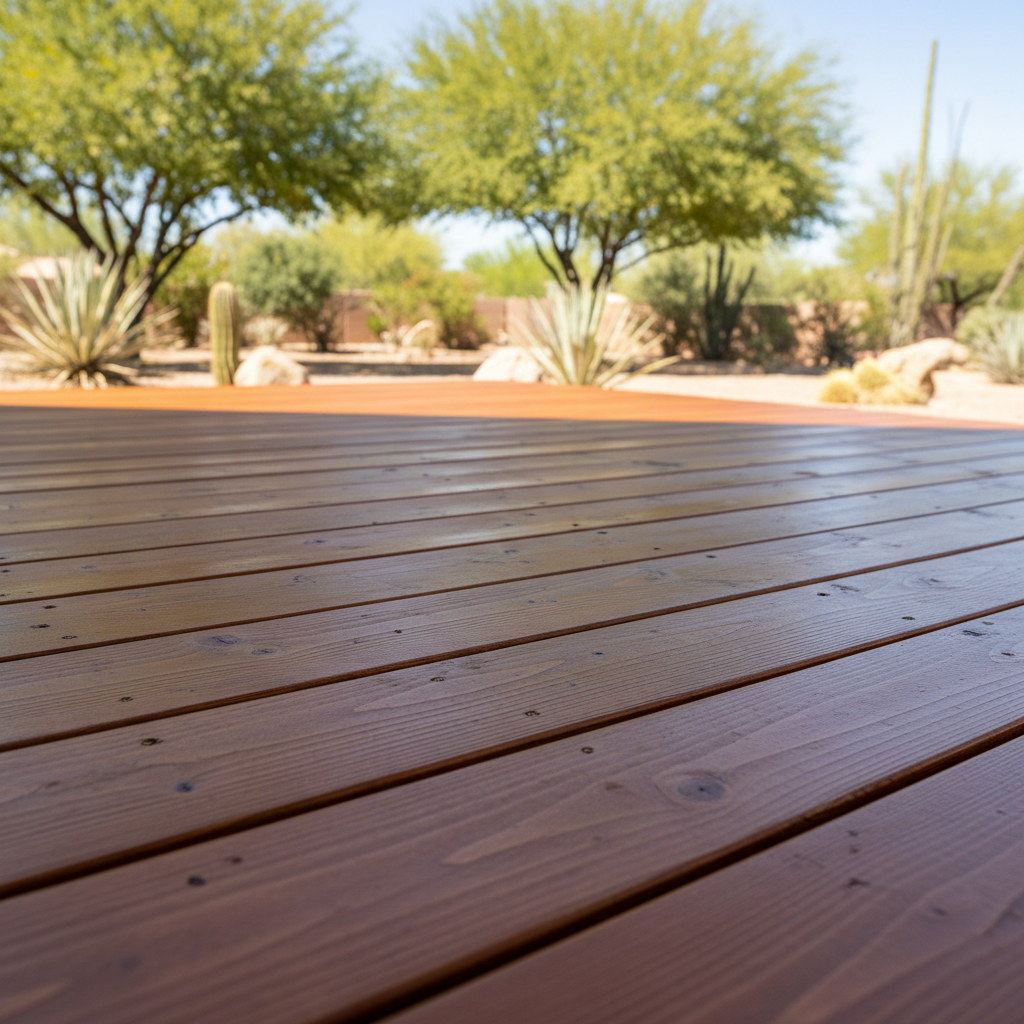
Alright, so you've got a deck that's seen better days, and you're thinking about rolling up your sleeves and giving it a fresh coat of paint or stain. That's a great idea! A well-maintained deck not only looks good but also lasts a lot longer, especially with our El Mirage sun beating down on it year-round. But before you grab a brush, let's talk about what you're really getting into. It's not just slapping some color on wood; there's a process, and getting it right means your hard work actually pays off.
Before You Start: Planning & Prep
First things first, you need to decide: paint or stain? They're not the same, and they give very different results. Paint sits on top of the wood, creating a solid, opaque layer. It's great for covering imperfections and giving a uniform look, but it can chip and peel over time, especially on a horizontal surface like a deck floor that gets a lot of foot traffic and sun exposure. Stain, on the other hand, soaks into the wood. It comes in transparent, semi-transparent, and solid varieties. Transparent and semi-transparent stains let the wood grain show through, which is beautiful if you like the natural look. Solid stains offer more color but still allow some of the wood's texture to come through. Stains generally wear down over time rather than peeling, which makes reapplication a bit easier, wouldn't you say?
Once you've picked your finish, you've got to clean that deck. And I mean really clean it. You can't just paint or stain over dirt, mildew, or old, failing finishes. You'll need a good deck cleaner and a power washer. Be careful with the power washer, though; too much pressure can damage the wood, especially on older decks. Keep the nozzle moving and don't get too close. After cleaning, you'll probably need to sand. Any loose fibers, splinters, or rough spots need to be smoothed out. This is crucial for both appearance and how well your chosen finish sticks. If you skip sanding, your paint or stain won't go on evenly, and it won't last. For older decks with a lot of grime or previous coatings, sometimes a good stripping product is needed before cleaning and sanding. This is where a lot of DIYers get overwhelmed, and honestly, if your deck is really rough, this might be a good point to call in a pro. We've seen plenty of decks in the El Mirage area, especially those around older homes with original wood, that need a lot more than just a quick wash.
Finally, check your deck for any rotten boards or loose fasteners. Replace anything that's compromised. You don't want to put all this effort into finishing a deck that's structurally unsound. Let the deck dry completely after cleaning – I'm talking a couple of sunny, dry days. Trying to paint or stain wet wood? That's a recipe for disaster.
During the Project: Application Tips
Okay, deck's clean, dry, and ready. Now for the fun part. Always check the weather forecast. You want a few days of clear, moderate weather. Avoid painting or staining in direct, intense sunlight or when it's too hot, which can make the finish dry too fast and leave lap marks. The early morning or late afternoon is often best here in El Mirage during the warmer months.
Start with railings, spindles, and any vertical surfaces first, working your way down to the deck floor. This way, any drips on the floor can be caught and blended in when you do the main surface. Use a good quality brush for cutting in edges and around obstacles, and then a roller or a pad applicator for the main deck boards. For stain, I often recommend a pad applicator because it pushes the stain into the wood grain better than a roller, giving you a more even finish and better penetration. Don't apply too thick of a coat, especially with stain. Thin, even coats are always better than one thick, gloppy one. If you're using paint, you'll likely need two coats. For stain, one or two depending on the transparency and desired look.
Work in small sections, following the grain of the wood. Don't stop in the middle of a board; try to go from one end to the other to avoid lap marks. Keep a wet edge, meaning you're always applying new finish next to finish that's still wet, which helps it blend seamlessly.
After the Project: Curing & Maintenance
You've done it! Your deck looks fantastic. But you're not quite done. You need to let that finish cure properly. This means staying off it for at least 24-48 hours, sometimes longer depending on the product and weather. Check the manufacturer's instructions on the can – they'll tell you the specific dry times and when it's safe for light foot traffic or to put furniture back. Don't rush this part; using it too soon can ruin your fresh finish.
Regular cleaning is key to making your hard work last. Sweep off leaves and debris frequently. Wash it down with a hose and a mild detergent a couple of times a year. Keep an eye out for any areas where the finish is starting to wear down, especially in high-traffic spots. Addressing these small areas with a touch-up coat early on can prevent bigger problems down the road and extend the life of your finish significantly. Depending on the product and how much sun your deck gets, you might need to re-stain or repaint every 2-5 years. Our intense El Mirage sun can be pretty brutal on finishes, so don't be surprised if you're on the shorter end of that spectrum.
So, can you do this yourself? Absolutely, many homeowners can. If your deck is relatively new, in good shape, and just needs a refresh, it's a manageable DIY project. But if your deck is old, heavily weathered, has a lot of failing paint or stain, or you're just not confident with the prep work, don't hesitate to call in a professional. Sometimes, the cost of renting equipment, buying all the right products, and the sheer amount of time involved can make hiring someone like us at El Mirage Deck Builders a smarter choice. We've got the tools, the experience, and we know how to get it done right the first time, saving you headaches and ensuring your deck looks great for years to come.